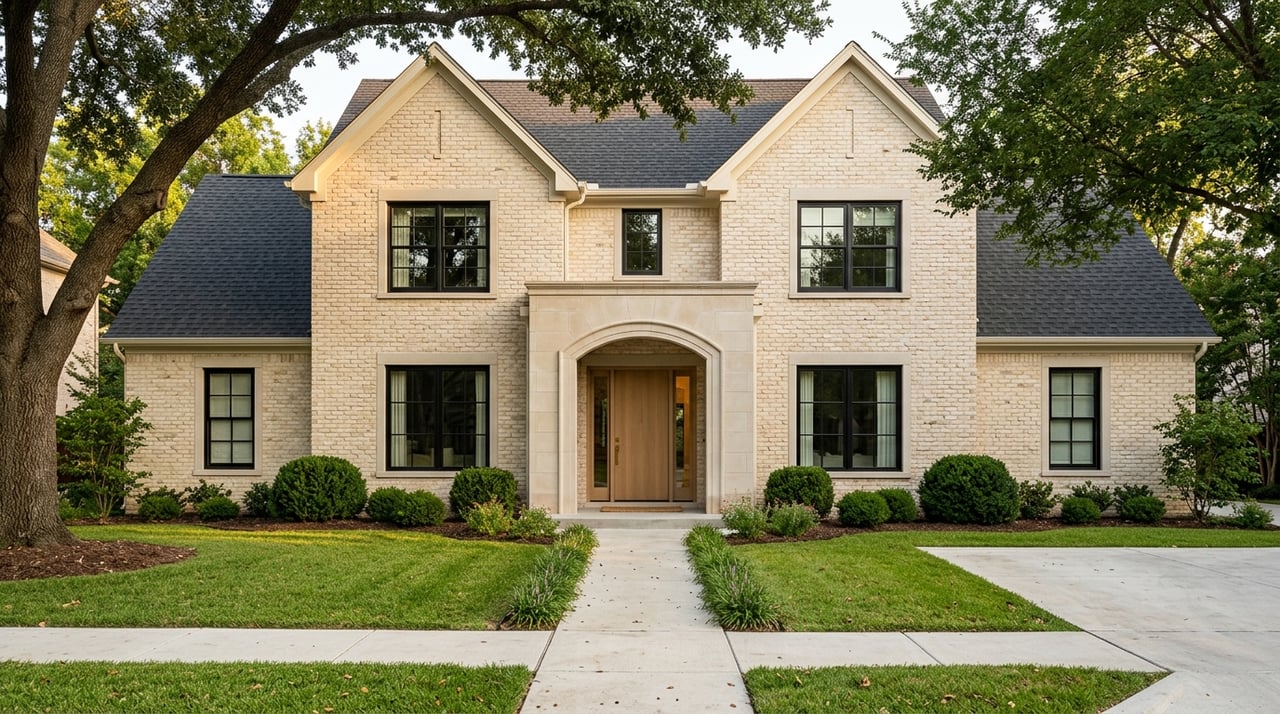
Everyday Living In Park Cities: Amenities And Local Perks
June 4, 2026
June 4, 2026
If you want a Dallas-area lifestyle where parks, errands, dining, and community spaces all sit close to home, Park Cities stands out fast. In 75205, everyday life centers on two compact municipalities, Highland Park and University Park, where local amenities are woven into daily routines instead of spread far apart. Whether you are relocating, buying, or simply comparing neighborhoods, this guide will help you understand what everyday living in Park Cities actually feels like. Let’s dive in.
Park Cities refers to Highland Park and University Park, two separate municipalities just north of downtown Dallas. Highland Park is about 3 miles north of downtown and covers 2.26 square miles, while University Park is about 5 miles north of downtown and covers 3.73 square miles.
That small footprint shapes how the area functions day to day. With established boundaries, civic spaces, and retail hubs packed into a relatively compact area, the lifestyle tends to feel close-in, connected, and neighborhood-oriented.
Highland Park has about 8,900 residents, and University Park had a 2020 Census population of 25,278. University Park is bordered by Dallas on three sides and Highland Park to the south, and it is also home to SMU and the George W. Bush Presidential Center.
One of the biggest draws of Park Cities is how much is concentrated into a small area. Instead of relying on long drives between parks, shops, and services, you will find many everyday destinations clustered in recognizable local nodes.
That setup gives daily routines a different rhythm than many newer DFW suburbs. Park visits, errands, library stops, and casual meetups can feel more integrated into your week because key amenities are close at hand.
Highland Park maintains 22 park locations and 12 landscaped traffic islands across about 59.3 acres. For a town of its size, that is a notably concentrated park system.
The town also offers 8 tennis courts, 3 playgrounds, and a town swimming pool. That range of amenities supports everything from a quick outdoor break to a more active weekend routine.
Lakeside Park is one of the best-known outdoor spaces in the area. It spans 14.32 acres along Turtle Creek and includes walking paths, plus a seasonal azalea display with more than 8,000 azaleas blooming in late March and early April.
University Park maintains eight major parks and offers a broad set of resident-focused parks and recreation services. Well-known examples include Caruth Park, Curtis Park, Burleson Park, Germany Park, and Centennial Park.
Curtis Park serves as a summer recreation hub thanks to the Holmes Aquatic Center. That facility includes a 50-meter pool, slide, diving boards, and a wading pool, while the park’s trail system is open for walking and jogging from 6 a.m. to 11 p.m.
Caruth Park and Burleson Park add more variety with tennis courts, playgrounds, picnic areas, fields, and trails. Centennial Park, with its gazebo, also serves as an important civic gathering space within University Park.
In practical terms, the park systems in both cities support a lifestyle with easy access to walking paths, play areas, courts, and open green space. If you value being able to step out for a jog, a stroll, or a quick visit to a nearby park, that convenience is part of everyday living here.
For buyers comparing neighborhoods in Dallas, this concentration of parks can be a meaningful quality-of-life feature. It adds structure to daily routines without requiring a long drive to reach recreation.
In University Park, Snider Plaza is described by the city as the center of local activity and a walkable destination. It has been a shopping and social destination since 1927, with tree-lined walkways, boutiques, cafes, dining, wellness offerings, and essential services.
That mix matters because it supports more than just occasional retail trips. It creates a local place where errands, coffee stops, and casual dining can happen in one compact area.
Nearby, Highland Park Village serves as a major open-air shopping and dining destination. It is widely recognized as the Park Cities’ upscale retail anchor and adds another distinct option for shopping and everyday outings.
For residents, the value is not only the variety of stores and restaurants. It is also the fact that retail activity is concentrated in identifiable districts instead of being spread across large commercial corridors.
That layout helps shape daily life in Park Cities. When shopping, dining, and services are grouped in walkable, neighborhood-scale destinations, the experience often feels more connected and efficient.
For many people, that translates into a lifestyle with fewer disconnected errands and more familiar go-to spots. It is a subtle benefit, but one that often stands out once you spend time in the area.
Libraries play a real role in the local lifestyle here. Highland Park residents receive free library cards, and the Highland Park Library operates from Town Hall with one-on-one research help through Book a Librarian.
University Park’s public library at Preston Center adds several practical features, including a children’s department, community room, local history and Texana room, and study rooms. Public browsing hours are Tuesday through Thursday from 10 a.m. to 8 p.m. and Friday through Saturday from 10 a.m. to 5 p.m.
These are the kinds of amenities that can shape your weekly routine in a steady, useful way. They support work, study, family activities, and community connection beyond the basic park-and-retail experience.
A big part of everyday living in Park Cities is the presence of recurring community programming. University Park notes that its community calendar is used for public educational, social, cultural, and recreational events sponsored by partners such as SMU, HPISD, the Moody Family YMCA, and the Town of Highland Park.
The area also has long-running civic traditions that give the calendar a familiar rhythm. Examples include the Park Cities Parade on July 4, Highland Park’s annual tree-lighting celebration, and the spring azalea bloom in Highland Park.
These events do not just fill the calendar. They help create a sense of continuity through the year, which can be especially helpful if you are trying to picture what it feels like to settle into the area full-time.
Highland Park added another practical amenity with the launch of On-Demand in May 2026. This microtransit service offers real-time rides, along with a separate paratransit component for eligible riders.
For residents, services like this can add flexibility to short local trips. In a compact area, even small transportation options can make everyday movement easier.
Compared with many farther-out DFW suburbs, Park Cities generally feels more compact, established, and amenity-rich within a smaller footprint. Highland Park and University Park are both relatively small in land area, and University Park says its population and area have remained fairly stable since the 1940s, with boundaries unchanged since the 1950s.
That kind of long-established layout shapes the experience of living here. Instead of feeling like a fast-expanding growth corridor, the area tends to function more like a mature in-town setting with closely connected parks, retail nodes, libraries, civic spaces, and community events.
If you are relocating within Dallas or moving from a suburban area farther out, this difference can be one of the most noticeable parts of the lifestyle. The appeal often comes from having a lot of daily convenience in a relatively contained area.
When people explore Park Cities, they often notice how quickly the area’s amenities show up in daily routines. A morning walk, an afternoon errand, a library stop, or an evening meal can all happen without feeling spread across a huge geography.
That does not mean every buyer wants the same thing, but it does help explain the area’s lasting appeal. For many households, convenience is not just about commute time. It is also about how easy it feels to enjoy where you live on an ordinary Tuesday.
When you are searching for a home, it helps to look beyond square footage and finishes. The parks you use, the errands you run, and the community spaces you return to each week can have just as much impact on your day-to-day experience.
That is especially true in a place like Park Cities, where the value of the location is closely tied to how the area functions. Understanding those local perks can help you decide whether the neighborhood rhythm fits what you want next.
If you are weighing Park Cities against other Dallas neighborhoods or nearby suburbs, a local, data-driven perspective can make the comparison much clearer. To talk through your options and find the right fit for your move, book an appointment with Parthvi Shah.
Stay up to date on the latest real estate trends.
Your goals shape every step of the process. I provide tailored guidance, strategic insight, and hands-on support to ensure a smooth, confident experience. Every detail is managed with intention, so you can move forward with certainty.