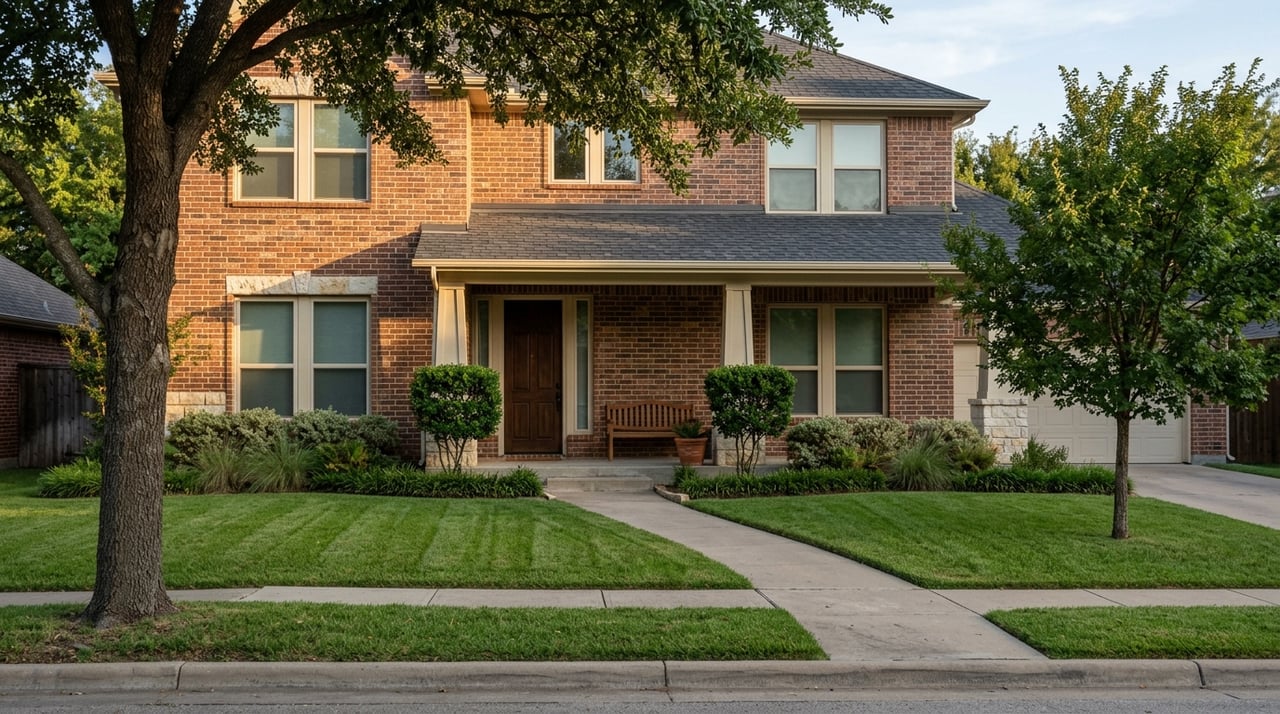
Fort Worth New vs Older Homes: How to Choose
June 25, 2026
June 25, 2026
Trying to decide between a newer home and an older one in Fort Worth? You are not alone. This city gives you real options, from newly built homes in growing areas to established properties in some of Fort Worth’s earliest neighborhoods. If you are weighing layout, upkeep, lot size, and long-term fit, this guide will help you compare the tradeoffs with more confidence. Let’s dive in.
Fort Worth is not a one-style, one-era housing market. City housing analysis shows that nearly 38% of housing units were built before 1980, while more than 48% were built after 1990. That mix gives you a wide range of choices depending on what matters most to you.
The same city analysis also notes that 65.4% of housing units are single-family detached homes. That makes this comparison especially useful if you are shopping for a primary residence rather than a condo or apartment.
Fort Worth has also continued to add new housing at a strong pace. From 2010 to 2020, the city permitted almost 44,000 new single-family units, which helps explain why newer subdivisions keep expanding in growth corridors and on the edges of the city.
If you want a home that feels current from day one, newer construction may be the easier fit. In Fort Worth, newer homes are more likely to reflect the city’s current code framework, including adopted building, mechanical, plumbing, fire, and electrical standards, along with the city’s energy code baseline.
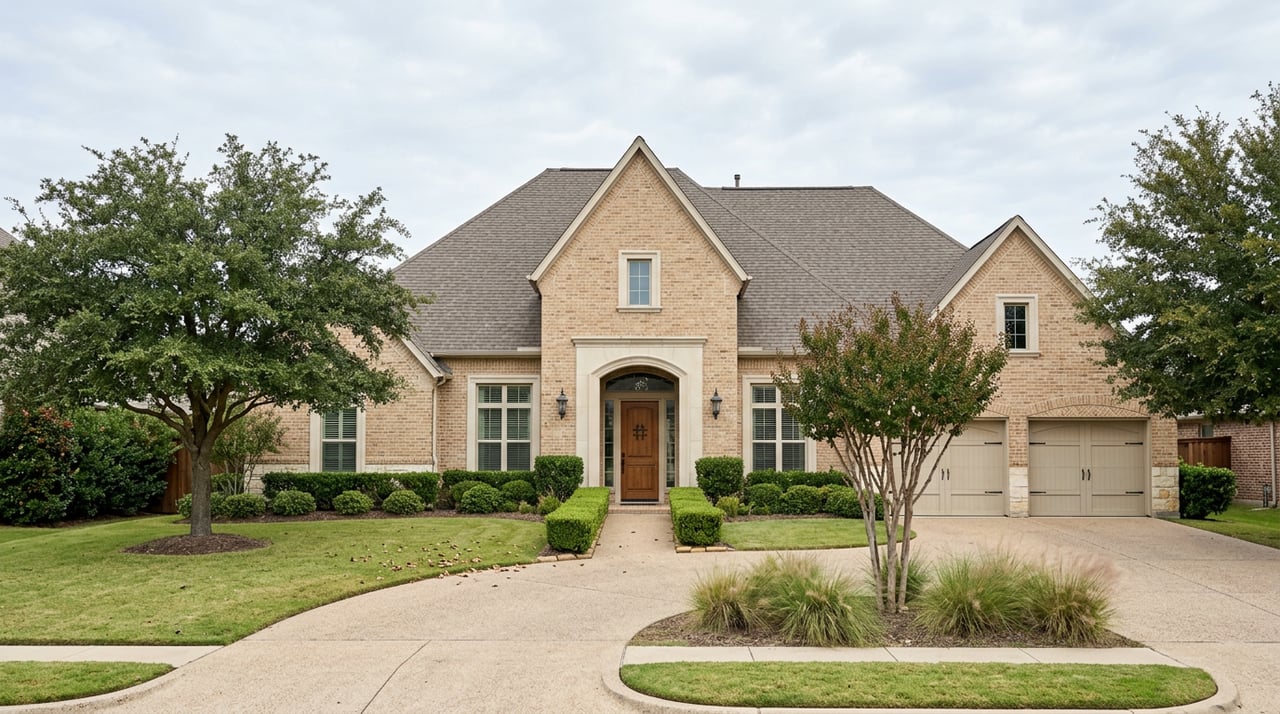
In practical terms, that can mean features and systems that align more closely with today’s expectations. Many newer communities in the Fort Worth area also promote floor plans built around open-concept living, attached garages, flexible-use spaces, and one- or two-story layouts.
For many buyers, the biggest draw is simplicity. A newer home may offer a more familiar layout, less immediate update pressure, and fewer renovation questions right after closing.
While every property is different, newer Fort Worth homes often lean toward:
That does not mean every newer home feels the same. Builders, subdivisions, and lot configurations can vary quite a bit across Fort Worth.
One of the most common assumptions is that a newer home comes with a larger lot. In Fort Worth, that is not always true.
Lot size is shaped as much by zoning and subdivision rules as it is by the age of the home. The city has detached residential districts with different minimum lot sizes, and some newer homes may sit on compact lots, alley-loaded lots, cluster-style lots, or more traditional detached lots.
If lot feel matters to you, it helps to look beyond the year built. Ask about lot width, frontage, garage access, and how the home sits within the subdivision.
Older homes tend to appeal to buyers who want a setting with deeper roots and more architectural variety. Fort Worth’s historic preservation planning identifies early residential areas such as Fairmount, Ryan Place, Oakhurst, Riverside, Mistletoe Heights, and others that developed over decades rather than all at once.
That slower buildout often created more visual variety from one home to the next. Instead of repeating one plan across an entire block, older areas may include a mix of forms, materials, and styles.
For some buyers, that character is the whole point. If you want a home that feels distinctive, older Fort Worth properties may offer more personality and design detail than a newer subdivision home.
Fort Worth’s older housing stock includes a broad mix of styles. Depending on the neighborhood and the era, you may come across:
In areas like Near Southside, the city also points to traditional streetscapes, early 1900s single-family homes, rehabilitated historic apartment buildings, and newer urban townhome and loft options nearby. That mix can create a very different feel from a newer master-planned subdivision.
Character often comes with more decisions. Older homes do not automatically need major repairs, but they are more likely to raise update questions around systems, materials, and renovation scope.
City guidance is especially important if you are considering changes after you buy. In Fort Worth, many projects involving walls, floors, ceilings, windows, doors, electrical, plumbing, roofing components, siding, additions, garages, foundations, and certain fences typically require permits.
If the property is in a historic district, exterior changes may also require a Certificate of Appropriateness before permits or construction begin. That can affect your timeline, design choices, and renovation budget.
If a home was built before 1978, it deserves extra attention. The EPA says homes built before 1978 are more likely to contain lead-based paint, and repair or renovation work can create lead dust if painted surfaces are disturbed.
That does not mean you should avoid pre-1978 homes. It means you should ask smart questions, consider testing when appropriate, and plan renovation work carefully.
The right choice usually comes down to how you want to live, not which category is better on paper. A newer Fort Worth home may suit you best if you want a current layout, a more modern code baseline, and fewer historic-review constraints.
An older Fort Worth home may be the better match if you value mature surroundings, more distinctive architecture, and the chance to personalize a property with updates over time. The key is to compare each home through the lens of cost, flexibility, and lifestyle fit.
Whether you are considering a new build or a long-established home, a few questions can help you spot major differences early.
These questions are useful because they tie directly to likely cost, restrictions, and future project planning.
If you like the idea of move-in-ready living, a newer home may reduce the number of immediate decisions on your list. You may find the layout easier to use for entertaining, working from home, or managing daily routines.
If you are drawn to homes with original detail and a more varied streetscape, an older home may feel more rewarding. You just want to go in with a clear understanding of renovation steps, permit needs, and possible maintenance items.
Neither option is automatically the smarter buy. The better fit is the one that matches your budget, your timeline, and how much flexibility or project work you actually want.
If you are comparing homes across Fort Worth and want help narrowing down what fits your goals, Parthvi Shah can help you evaluate layout, neighborhood context, and the practical tradeoffs before you make a move.
Stay up to date on the latest real estate trends.
Your goals shape every step of the process. I provide tailored guidance, strategic insight, and hands-on support to ensure a smooth, confident experience. Every detail is managed with intention, so you can move forward with certainty.