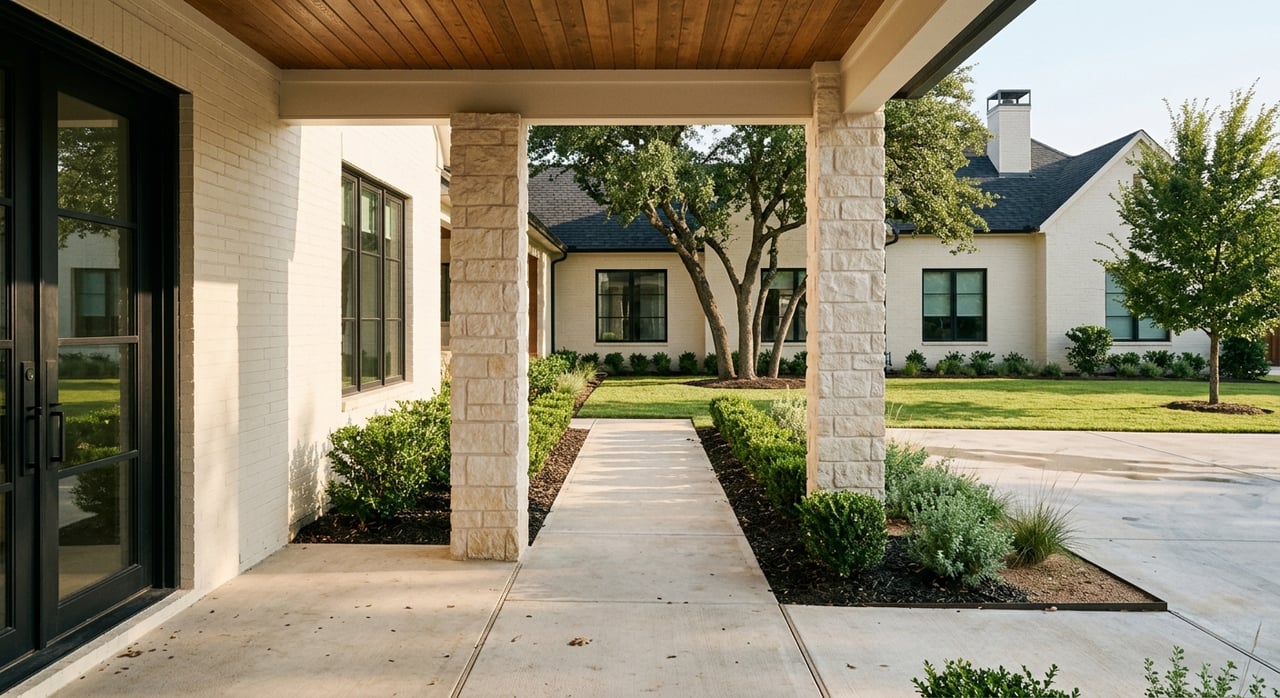
Prosper New Construction Vs Resale Homes: Making The Call
July 2, 2026
July 2, 2026
Wondering whether a brand-new home or a resale home makes more sense in Prosper? You are not alone. In a fast-growing market with master-planned communities, changing inventory, and a wide range of price points, the right choice depends on how you want to live, how quickly you need to move, and what tradeoffs you are comfortable making. This guide will help you compare both paths so you can make a confident call in Prosper. Let’s dive in.
Prosper gives buyers a unique mix of choices. The town’s growth is city-planned, and its updated comprehensive plan reflects continued residential and commercial expansion. Planned Developments also support integrated residential and mixed-use areas, which helps explain why many buyers compare newer master-planned options with established resale neighborhoods.
Current market conditions also matter. In Realtor.com’s May 2026 local market summary, Prosper had 673 homes for sale, a median listing price of $850,000, a median sold price of $742,255, and a median of 45 days on market. The market was labeled a buyer’s market, and homes sold for 3.68% below asking on average.
That kind of market can create opportunities on both sides. You may find room to negotiate on a resale home, while some builders may use incentives to keep pace with competing inventory. The better option often comes down to your timing, priorities, and tolerance for uncertainty.
New construction appeals to buyers who want a home that feels tailored to them. In Prosper, builder offerings commonly highlight choices in floor plans, lot orientation, finishes, and in some cases semi-custom changes. Some communities also offer quick move-in homes for buyers who want a newer property without waiting through a full build cycle.
You may also be drawn to newer systems and technology. Builder materials in Prosper often emphasize energy-conscious construction, ENERGY STAR-related features, and smart-home controls. If lower day-one maintenance and modern features are high on your list, that can make new construction especially attractive.
Master-planned living is another major reason buyers lean toward new homes. Prosper’s Planned Developments include communities such as Windsong Ranch, which reflects the type of large-scale neighborhood environment many buyers want to compare against resale options. If amenities and a more uniform community design are part of your vision, new construction may line up well.
The biggest tradeoff is often timing. Prosper’s Building Inspections division says residential permits are reviewed in 10-business-day rounds, followed by inspections to verify code compliance. That structure helps explain why build timelines can shift and why completion dates are not always as simple as they look at the start.
Financing can also be more layered than a standard resale purchase. Construction-related loans may involve different terms, and mortgage rate locks commonly last 30, 45, or 60 days, with possible costs to extend them. If your closing gets delayed, that timing can affect both your budget and your planning.
Builder contracts may add another layer. Some incentives may depend on closing by a set date or using a preferred lender and title company. That does not automatically make the deal bad, but it does mean you should compare the value of those incentives against the flexibility you may get with a resale purchase.
You should also look beyond the home itself. Prosper warns buyers to verify deed restrictions and HOA covenants because private rules may supersede town requirements. In practice, that means your decision should include the lot, the community rules, and the lifestyle fit, not just the floor plan.
Resale homes often work best when speed and clarity matter most. If you want to move sooner, an existing home can offer a more predictable path to closing than a home still moving through construction milestones. That can be especially helpful if you are relocating, syncing a move with a lease end, or trying to avoid timeline overlap with a sale.
Resale also gives you a different kind of negotiation power. Instead of negotiating upgrades and builder packages, you can focus on price, repairs, closing costs, and timing. In a buyer’s market, that flexibility can be meaningful.
Another advantage is the inspection process. Buyers are encouraged to schedule an independent inspection as soon as possible, and if the contract is contingent on satisfactory inspection, you may be able to cancel without penalty or negotiate repairs or credits. Sellers may also offer closing-cost credits instead of making repairs, which can give you more control over how issues are handled.
For some buyers, a resale home also feels easier to evaluate. You can see the finished product, observe wear and condition, and review how the home functions today rather than relying on projected completion. If you want fewer moving parts, that can be a real benefit.
Resale homes may come with older systems, more maintenance, or updates you plan to make after closing. While an inspection can reveal important issues, it does not turn an older home into a new one. You should budget with both the purchase price and likely upkeep in mind.
Warranty coverage is also different. The FTC distinguishes builder warranties from home warranties, and a resale buyer who wants post-closing protection usually purchases a separate home warranty or service contract at extra cost. That means your protection strategy may be less built-in than it would be with a new home.
Inventory style can also vary. In Prosper, where many buyers are drawn to newer master-planned communities, some resale options may offer less personalization than a to-be-built home. If your must-have list is very specific, you may need to balance speed against compromise.
In Prosper, this decision is not just about old versus new. It is also about how you want to navigate a town shaped by planned growth, master-planned communities, and evolving inventory. The same market can support both a customized new build and a smart resale buy.
School assignment is one local detail you should verify carefully. Prosper ISD says it serves more than 33,000 students across Collin and Denton counties, and its 2026 enrollment information says total enrollment has passed 34,000. Because some campuses are closed to new enrollment for 2026-2027, school assignment should be checked by exact address or lot rather than assumed.
That point matters whether you buy new or resale. A lot in a fast-growing area may not be assigned the campus you expected, and a resale address may carry different assignment details than a nearby street. If schools are part of your home search, confirm first and build your decision around verified information.
| Factor | New Construction | Resale Home |
|---|---|---|
| Timeline | Often longer and tied to build progress | Often faster and more predictable |
| Personalization | More options for finishes and layout | Usually limited to what already exists |
| Negotiation | Often focused on incentives and upgrades | Often focused on price, repairs, and credits |
| Condition | Brand-new systems and materials | Existing condition, verified through inspection |
| Warranty | Builder warranty may be included but limited | Separate home warranty may be purchased |
| Community fit | Strong option in master-planned developments | Strong option for buyers prioritizing speed and leverage |
If you value customization, newer features, and the feel of a master-planned community, new construction may be your better fit. That is especially true if you can handle a longer timeline and keep a close eye on financing deadlines and contract terms.
If you value speed, flexibility, and inspection-based negotiating power, resale may be the stronger path. In Prosper’s current market, where buyers may have room to negotiate, an existing home can offer meaningful advantages.
The best choice is the one that matches your priorities, not just today’s marketing. You are really deciding what tradeoff feels smarter for your life: convenience and quicker occupancy, or customization and builder-backed features.
Before you decide between new construction and resale in Prosper, keep this checklist handy:
A clear comparison upfront can save you stress later. With the right strategy, either path can work well in Prosper.
If you want help comparing new construction communities and resale opportunities in Prosper, Parthvi Shah can help you evaluate timing, negotiation leverage, and neighborhood fit with a clear, data-driven approach.
Stay up to date on the latest real estate trends.

Your goals shape every step of the process. I provide tailored guidance, strategic insight, and hands-on support to ensure a smooth, confident experience. Every detail is managed with intention, so you can move forward with certainty.