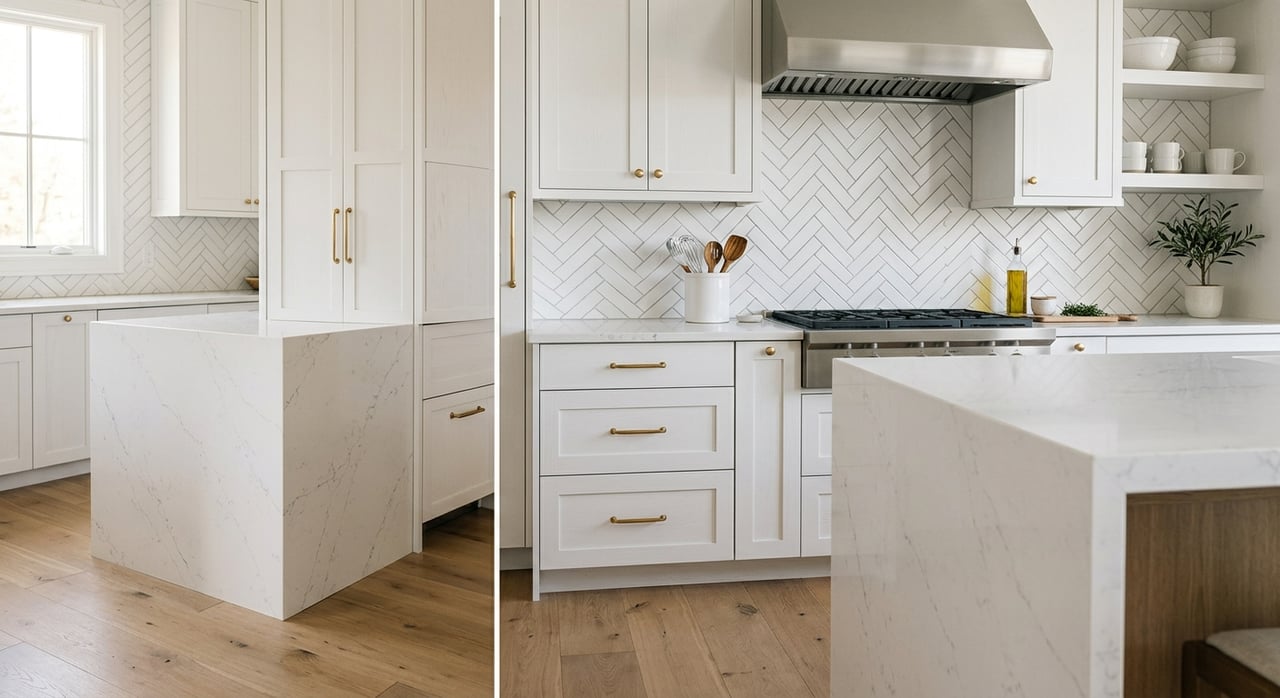
What To Know Before Buying New Construction In Prosper
May 28, 2026
May 28, 2026
Thinking about buying a brand-new home in Prosper? It can feel like the best of both worlds: fresh construction, modern layouts, and access to one of North Texas’ fastest-growing suburbs. But new construction is not always simpler than resale, and the fine print can matter just as much as the floor plan. In this guide, you’ll learn what makes buying new construction in Prosper different, what to watch for before you sign, and how to protect yourself through the process. Let’s dive in.
Prosper is growing quickly, and that growth shapes the new-construction experience. The Town of Prosper reported 46,087 residents as of January 1, 2025, and noted an average valued home price of $823,356 in 2024. The town is also investing in road improvements and water utility upgrades to keep pace with continued development.
That matters because when you buy new construction in Prosper, you are often buying into a town that is still actively building out. You may be choosing between master-planned communities, new phases of existing developments, or homes in areas where roads, utilities, and nearby amenities are still evolving. In other words, you are not just buying a house. You are buying into a growth story.
Prosper’s zoning map shows how important planned developments are to the local housing mix. Communities such as Gentle Creek, Whitley Place, Windsong Ranch, and Star Trail are part of a broader pattern of residential planned-development districts across town.
For you as a buyer, that means community rules, amenity structures, and development-related paperwork can play a larger role than they might in an older resale neighborhood. It also means you should pay close attention to HOA documents, community build-out plans, and any notices tied to special district assessments.
One of the biggest differences with new construction is timing. In Texas, there are separate contract forms for completed homes and incomplete homes. If the home is not finished yet, you may be signing a contract long before the property is ready to close.
That changes how you should think about deadlines, inspections, upgrade decisions, and financing. In a resale deal, you are usually evaluating a finished house. In new construction, you may be making decisions based on plans, models, specifications, and estimated completion dates.
This is common in Prosper, especially in communities that are still building out in phases. A builder may release lots and inventory before construction is finished, and buyers often go under contract while the home is still being built.
Because of that, you will want to review what is included, what is still subject to change, and how the contract handles delays or construction milestones. The details matter more when the house you are buying is not yet complete.
Many buyers assume they will have a few days to cancel after signing. In Texas, that is not a default consumer right. TREC says there is no automatic three-day or 72-hour cancellation window, so any termination rights come from the contract itself.
That means you should not rely on assumptions. If an option period or another cancellation right is important to you, it needs to be addressed in the contract terms.
Builder contracts can be very different from a standard resale contract. They often come with builder-specific addenda, warranty language, and community disclosures that are easy to skim past if you are focused on finishes and move-in dates.
TREC notes that complex or specialized situations may require a qualified attorney, and Texas real estate guidance also points to the importance of reviewing builder contracts and making sure the right addenda are included. If something is important to you, it needs to be clearly documented.
Upgrades are one of the biggest pressure points in new construction. Design-center selections can be exciting, but they can also raise your purchase price quickly.
Just because an upgrade costs more does not mean it will be valued dollar-for-dollar later. Texas appraiser commentary notes that appraisers rely on market evidence rather than raw upgrade cost. For you, that can affect appraisal outcomes, monthly payments, and how much cash you may need at closing.
A smart approach is to separate upgrades into categories:
In a place like Prosper, master-planned living often comes with additional documentation. Some homes are subject to mandatory property owners’ association membership, and some may also involve Public Improvement District, or PID, notices.
This is not unusual in newer suburban communities, but it is important. TREC maintains subdivision information for properties with mandatory association membership, and Texas guidance says sellers must provide PID notice before execution when a property is in a PID. If that notice is not provided, the buyer may have termination rights.
Before you move forward, make sure you understand:
One of the most common mistakes buyers make is assuming a new home does not need an independent inspection. In reality, TREC says builder quality-control or phased inspections are not a substitute for an inspection by the buyer’s chosen inspector on a substantially complete home.
That is an important distinction. A builder may have internal processes, but you still want your own licensed inspector to review the home before closing.
Even new homes can have issues. An independent inspection gives you a clearer picture of the home’s condition at the time you are taking ownership.
It can also help you identify items that need correction before closing or during your final walkthrough process. For many buyers, that extra layer of review brings peace of mind and creates a better paper trail if questions come up later.
These two terms sound similar, but they are not the same. A builder warranty generally covers workmanship and materials for specific components for set periods. According to the FTC, many finish items are commonly covered for about one year, HVAC, plumbing, and electrical systems may be covered for about two years, and major structural defects may be covered longer in some cases.
A home warranty, by contrast, is typically a separate service contract that costs extra. It is not the same as the builder’s included protection.
Do not wait until something breaks to find out what the builder warranty covers. Review the exclusions, deadlines, and claim procedures early.
The FTC advises homeowners to submit claims in writing, keep records, and pay attention to mediation or arbitration clauses. That process can matter just as much as the coverage itself.
This is another area where buyers can get confused. The friendly onsite sales rep in a model home is often helpful and knowledgeable, but that does not mean they represent your interests as a buyer.
Texas real estate guidance specifically warns consumers not to assume the onsite agent is on their side. In most cases, that person works for the builder.
When you are comparing builders, lots, upgrades, and contract terms, independent representation can add clarity. A buyer’s agent can help with contract review, deadline tracking, inspection coordination, upgrade questions, and warranty follow-up.
That support can be especially valuable in Prosper, where many buyers are comparing multiple master-planned communities and trying to balance layout, timeline, budget, and long-term value.
Texas law is also changing how buyer representation is documented. As of January 1, 2026, a written agreement with a residential buyer is required before a license holder shows residential property or, if no property will be shown, before presenting an offer.
That agreement must spell out services, term, exclusivity, compensation, and the fact that compensation is negotiable. It is a private contract between the buyer and broker, so you should read it carefully and make sure you understand what you are signing.
Many buyers looking at Prosper pay close attention to school planning and long-term community growth. Prosper ISD reports more than 22,000 students and expects significant campus growth at buildout, including 28 to 30 elementary campuses, 9 to 10 middle schools, and 4 to 5 high schools.
That does not tell you which home to buy, but it does reinforce how quickly the area is changing. If you are comparing new construction options, it helps to think beyond the home itself and consider the pace of development around you.
If you are buying new construction in Prosper, here are a few smart steps to take before moving forward:
Buying a new home in Prosper can be a great opportunity, especially if you want modern design, newer infrastructure, and access to one of North Texas’ most active growth markets. At the same time, new construction comes with its own paperwork, timelines, and risks that deserve careful attention.
The best approach is to stay informed, ask questions early, and make decisions based on both the home and the contract behind it. If you want experienced, data-driven guidance as you compare builders and communities in Prosper, Parthvi Shah can help you move forward with confidence.
Stay up to date on the latest real estate trends.

Your goals shape every step of the process. I provide tailored guidance, strategic insight, and hands-on support to ensure a smooth, confident experience. Every detail is managed with intention, so you can move forward with certainty.